Blossom Patches – By Pat Holm

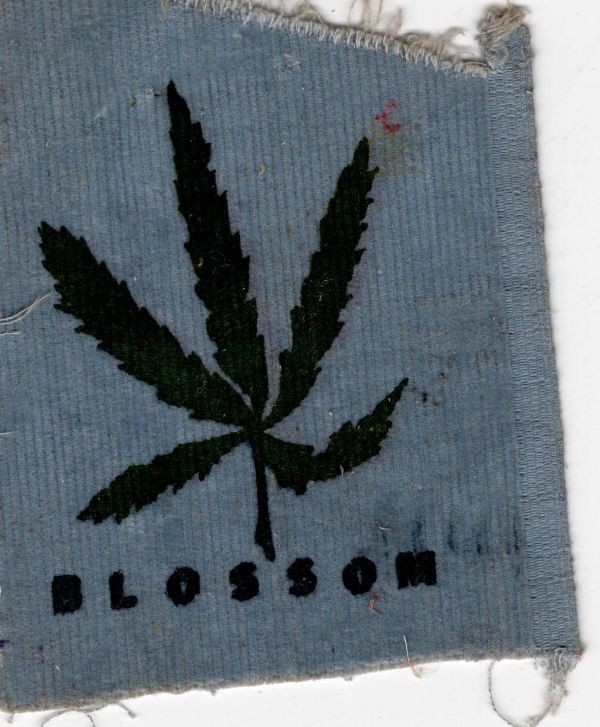
Around 1970, Steve Wilcox and a group of friends decided to lobby for the legalization of marijuana. We formed an organization called BLOSSOM: Basic Liberation Of Smokers and Sympathizers Of Marijuana. I was the sympathizer since I didn’t smoke pot and nobody was doing edibles yet, except for the occasional fibrous brownies. We wrote up a list of ideas, goals, and tasks, and we assessed what each of us could contribute to the effort.

The First Lesbian Community Meetings – By Anna Schlecht

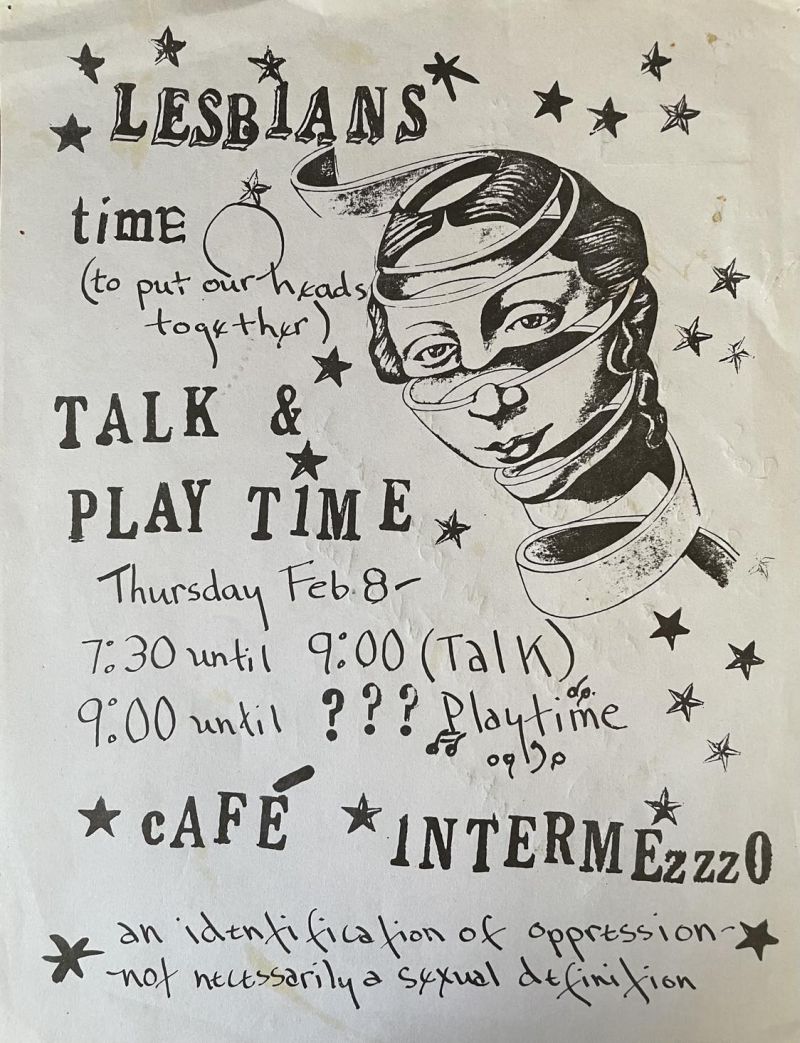
We stood there befuddled on Columbia Street until other women began to arrive for the meeting. Many had come pumped up to argue about who should be invited, but once they heard what had happened, most of the divisions fell away. Suddenly, everyone there had the shared experience of being discriminated against as queers, whether they publicly identified that way or not. Nearly 50 women found themselves standing sullenly on the dark street with nowhere to go.

Supporting the Teachers’ Union in El Salvador – 1985 – By Steven Kant

I was traveling with a delegation of U.S. teachers and union activists. The trip included people from Seattle, Los Angeles, and other U.S. cities. Beth Harris of Olympia was one of the organizers. We were responding to a request from ANDES, the Salvadoran teachers union, to attend their union convention. ANDES had not been able to hold a convention for years because of the violent repression, so they invited teachers and activists from all over the world to attend as witnesses and participants.

Our Experiences at the Evergreen Labor Center – Lee, Shortt-Sanchez, Gilman

We are all longtime Olympia folks and three of many who learned and organized at the Labor Center with Dan Leahy. We did not differentiate between our work at The Evergreen State College Labor Education Center and our working-class roots. We each tell about our involvement with the Labor Center and how it affected our lives. Dan Leahy passed away in 2022.

The Communist Party in 1970s Olympia – Ann Vandeman – By Bethany Weidner

“The Party people were the only ones who consistently linked race and class and I was attracted to that. Those people and their ideas helped me answer big questions I had at that age: why aren’t people nicer and what about fairness? I found them sympathetic because their values were consistent with the ones I had come to.”

Recollections on the Founding of the Gay Resource Center – By Don Orr Martin

The first phone call I took (that wasn’t a crank call) was from a lesbian in Lacey. It was 1973 and I was the founder and sole staff person answering the phone at the Gay Resource Center, a new student group at Evergreen. She and her partner had both been divorced from men, and between them they had five kids living in a double wide trailer. She wanted to know if I could offer them any help regarding child custody issues.

A Small Town’s Sex-Positive Response to AIDS – By Don Orr Martin

I worked in public health at the height of the AIDS pandemic. Powerful Republican congressmen and President Reagan’s agency heads put in place serious limits on what federally-funded educational programs could say about safe sex. Federal laws required that all the materials we produced about condom use and HIV testing had to include the message that the only ways to prevent AIDS or other sexually transmitted infections were by: 1) Abstinence; or 2) Fidelity in a heterosexual marriage. These were not messages that resonated with the men in the woods by the railroad tracks.

Don’t Cry for Me Miami – 1978 – By Don Orr Martin

Anita Bryant was an also-ran Miss America contestant in 1959 (Miss Oklahoma) and a christian pop singer who became a spokesperson for the lucrative Florida citrus industry. She popularized their slogans. “A day without orange juice is like a day without sunshine.”

Anita was also a rabid homophobe and a lightning rod in the thunderhead of anti-LGBT politics of the late 1970s. Anita Bryant was a piece of work.