Part 1: Finding My Place in the Universe – By Llyn De Danaan aka Lynn Patterson

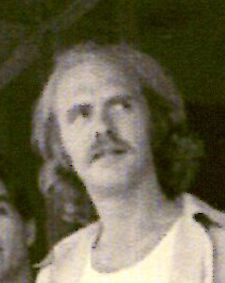
Here’s what my life was like in the late 1960s while a student: Trips to the Pacific Ocean, driftwood, logging trucks, colorful flower-bedecked hitchhikers on freeway turn offs (on their way to San Francisco), light shows and strobes at Eagle’s Auditorium in Seattle, The Whole Earth Catalog, Helix (a brilliant “underground” newspaper), marching against the Vietnam War on the freeway and through downtown, buildings blowing up on campus, rallies at the federal courthouse, Radical Women meetings, Claire Fraser holding forth. I had the time of my life.

Car-Nation – By Pat Holm

I was a puppeteer for many years, an art form I used in teaching to engage, entertain, and educate. In the late 1980s I worked at the Department of Ecology as a transportation coordinator to get people to drive less, take the bus more, walk more, and bike more to work. With this in mind I came up with the idea to do a giant puppet show

The Occupation of Cascadia in Tacoma – A Solidarity Action – 1976 – By Susan Davenport

The purpose was to bring as many witnesses and occupiers of the Cascadia Building in Tacoma as could be mobilized on short notice. The action was in solidarity with the Puyallup Tribe of Indians who were reclaiming the old juvenile detention center and former tuberculosis hospital built on Puyallup tribal land.

Dice T-Shirts 1979 to 1989 – By Nancy Sigafoos

If you took a clothesline long enough to hang a thousand t-shirts in a row and hung every design I printed in chronological order, you would have a history of life in Olympia in the 1980s. You’d see bands like Gila and Obrador, political actions from election campaigns to social justice movements, businesses that came and went, sports teams, non-profits, and community events.

Making Hay While the Sun Shines – By Joe Tougas

Cold Comfort Farm took the “Farm” in its name seriously. We thought of ourselves on the model of agricultural co-ops. We wanted to be independent, creative, revolutionary. We were pretty smug about our agrarian accomplishments. Although our knowledge of small-scale farms was spotty and romanticized (not to mention borderline illegal) we were proud of our worn-out overalls and home-grown strawberries and broccoli.