ACTIVISM
Women Against Violence Against Women (WAVAW)
By Carolyn Byerly
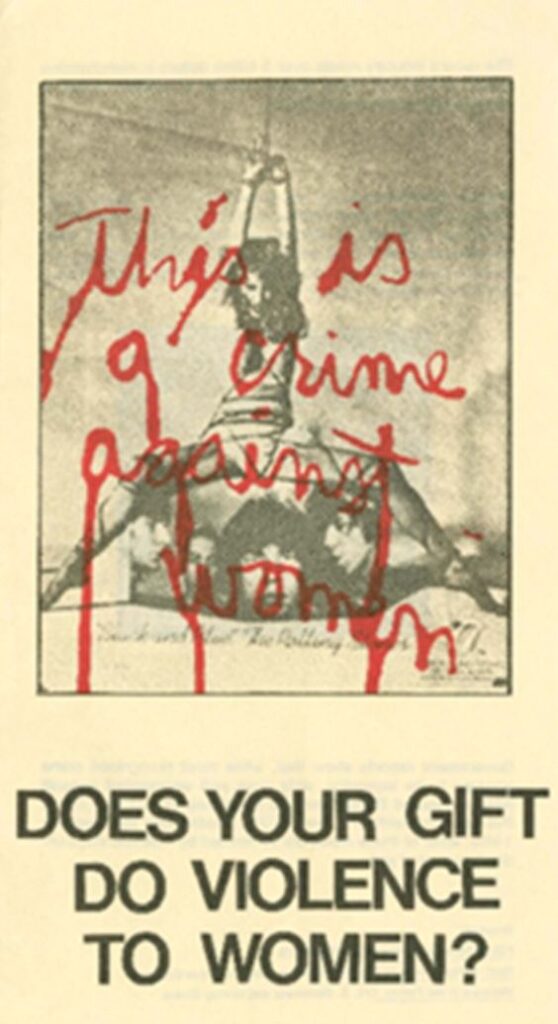
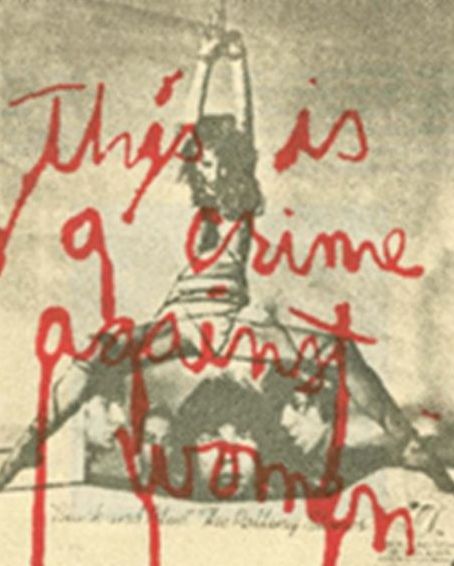
My media activism began in 1977 through a group called Women Against Violence Against Women. WAVAW began in Los Angeles when feminists rebelled against a promotional campaign for the Rolling Stones album Black and Blue (See https://www.mazerlesbianarchives.org/wavaw for more on WAVAW). Long before the digital music we have now, there was vinyl, and the covers of records served as a major promotion in sales. Posters and billboards complemented the in-store records themselves. The visuals for the Black and Blue campaign—including a huge billboard on the LA freeway—featured a stylized photo of a woman bearing bruises and a gag in her mouth that was captioned “I’m black and blue by the Rolling Stones and I love it!” Feminists were known to scrawl their own messages across these promotionals.
The LA-WAVAW members organized in number, blocked the LA freeway, and laid down a strategy for change that included demanding a policy forbidding violent messaging by the Warner-Electra-Asylum record conglomerate. They also carried out a nationwide boycott that began in 1977 and continued until the policy was enacted two years later. Boycotts were carried on by chapters in local communities (like ours) by members who also led educationals on the issues through churches, schools, and other venues.
Those of us in Olympia doing antiviolence work had been increasingly riled up over the use of violence against women in advertising of all kinds. We were beginning to hear stories from our clients at Rape Relief about how their abusers had used pornography before acts of violence toward them. The misogynistic violence in advertising trend of the 1970s was prodding our feminist anger to do something, and we were immediately attracted to WAVAW’s goals. Not long after WAVAW began in LA, we were able to bring one of the organizers, Julia London, to Olympia to speak at a statewide conference on violence against women for which we had secured a small grant. She was a fantastic speaker and motivated us to take action.
We established a chapter of WAVAW in Thurston County after a weekend workshop in Seattle that Rev. Marie Fortune, I, and a few others had organized. Julia London agreed to come up and share ways of organizing around the problem. She provided us with a slide show and narrative that depicted the kind of problematic ads the campaign was concerned with, ran us through how to organize local boycotts of record stores, and shared the draft policy that the attorneys working with LA-WAVAW were demanding Warner-Asylum-Electra adopt.
We began to hold community events to share the slide show and talk about the problem of violent ads, which we believed were related to real-life violence against women. These educationals were very popular, and word of our work spread. In 1978, Carolyn Mark and I from Rape Relief were contracted by Gene Liddell, the sex-equity compliance officer at the Office of the State Superintendent of Public Instruction, to present our WAVAW show at a state conference for school teachers and administrators—the response was very positive. On weekends, especially as Christmas holidays approached, our WAVAW members picketed local record stores, asking store managers to remove a list of certain record albums that had been developed and circulated by WAVAW, and we distributed flyers asking patrons not to buy these.
The concerted action by dozens of chapters in cities across the US over a period of two years was successful, and in 1979, record company executives agreed to the WAVAW policy that banned future depictions and messages showing or promoting violence against women and children in record album covers and promotional advertising. The conglomerate had lost millions of dollars in sales through our nationwide boycott. This was possibly the first major feminist boycott success story of second-wave feminism, and one that deserves a place in media and women’s history.
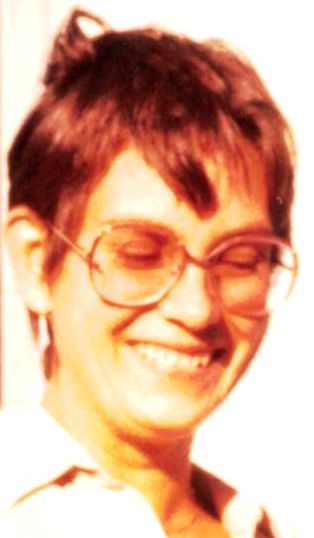
WAVAW would also play a role in my personal history. Through that campaign, I realized that misogyny in the media could be reversed through corporate policy. I began to think about power in gender relations differently, moving beyond the media content itself and becoming concerned with the structural issues affecting women’s relationship to the media. I was especially interested in ways women could bring greater control over media messages.
Both my master’s thesis and PhD dissertation at University of Washington would concern this by focusing on the Women’s Feature Service, a UNESCO-sponsored project that had grown out of the UN Decade for Women (1975 – 1985). The WFS project was all about women creating their own news. World news at the time contained very little information about women. The WFS project established five women-run agencies, all in the Global South—the stories those women produced were wonderful.
That research led me to a life of activism, teaching and research focused on gender and race relations in media, and it connected me with an amazing network of feminist activists around the world concerned with grassroots women’s media, as well as policy-related research in universities. In my last years at Howard University, my colleagues, students, and I engaged in research and education around federal communication policy. And, saying more about that would be a whole book!
We encourage readers to contact us with comments and corrections. Disclaimer